Running a small business today is more challenging than ever. Owners must manage sales, customer relationships, inventory, accounting, payroll, marketing, and operations while competing with larger companies that often have bigger budgets and more resources. As businesses grow, relying on spreadsheets, disconnected software, and manual processes becomes inefficient and costly. This is where ERP for small business becomes a powerful solution.
Enterprise Resource Planning (ERP) systems are no longer limited to large corporations. Modern cloud-based ERP platforms are affordable, scalable, and specifically designed for small and medium-sized businesses. By integrating different business functions into one centralized system, ERP software helps companies streamline operations, improve productivity, reduce errors, and make smarter decisions.
In this article, we will explore what ERP is, why small businesses need it, the key benefits, essential features, implementation tips, common challenges, and how to choose the best ERP solution for your company.
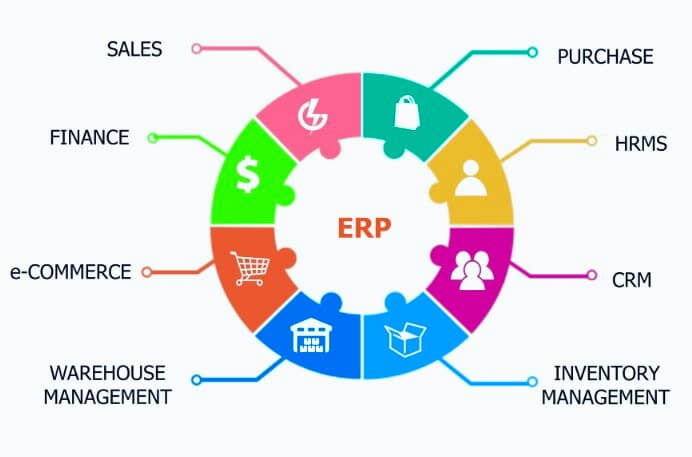
What Is ERP?
ERP stands for Enterprise Resource Planning. It is a business management software system that combines multiple business processes into a single platform. Instead of using separate tools for accounting, inventory, human resources, sales, and customer management, an ERP system allows all departments to share the same data in real time.
For example, when a customer places an order, the ERP system can automatically update inventory levels, generate invoices, track shipping, and record financial transactions. This automation eliminates duplicate work and reduces the risk of human error.
ERP software can be deployed in two main ways:
- On-premise ERP: Installed on local servers within the company.
- Cloud-based ERP: Hosted online and accessed through the internet.
Most small businesses today prefer cloud ERP because it requires lower upfront costs, easier maintenance, and greater flexibility.
Why Small Businesses Need ERP
Many small business owners believe ERP systems are too expensive or complicated for their needs. However, this perception is outdated. Modern ERP platforms are designed to help smaller companies overcome common operational problems.
As businesses expand, managing information across multiple departments becomes difficult. Employees may use different spreadsheets or software applications that do not communicate with each other. This leads to data inconsistencies, delays, and poor decision-making.
An ERP system solves these problems by centralizing information. Business owners gain better visibility into daily operations and can monitor performance from a single dashboard.
Here are some common signs that a small business may need ERP:
- Frequent data entry errors
- Difficulty tracking inventory
- Delayed financial reporting
- Poor communication between departments
- Slow order processing
- Lack of real-time business insights
- Excessive manual tasks
- Customer service inefficiencies
If a company experiences several of these issues, implementing ERP software can significantly improve efficiency.
Key Benefits of ERP for Small Business
1. Improved Efficiency
One of the biggest advantages of ERP systems is automation. Repetitive tasks such as invoicing, payroll processing, inventory updates, and report generation can be automated. Employees spend less time on manual work and more time on strategic activities.
Automation also reduces operational bottlenecks. Workflows become faster and more organized, helping businesses deliver products and services more efficiently.
2. Better Financial Management
ERP software provides powerful accounting and financial management tools. Business owners can monitor cash flow, expenses, revenue, taxes, and profitability in real time.
Financial reports become more accurate because all departments use the same database. This helps small businesses make informed financial decisions and maintain regulatory compliance.
3. Enhanced Inventory Control
Inventory management is critical for retail, manufacturing, and distribution businesses. ERP systems track stock levels in real time, helping companies avoid overstocking or running out of products.
Businesses can also monitor supplier performance, manage purchase orders, and forecast demand more accurately.
4. Better Customer Service
Customer satisfaction plays a major role in business success. ERP systems often include Customer Relationship Management (CRM) tools that help businesses manage customer information, track interactions, and respond quickly to inquiries.
When employees have instant access to customer data, they can provide faster and more personalized support.
5. Real-Time Reporting and Analytics
ERP software gives business owners access to real-time reports and analytics. Instead of waiting for weekly or monthly updates, managers can instantly review sales performance, operational costs, and inventory status.
This visibility allows businesses to identify trends, solve problems quickly, and make data-driven decisions.
6. Scalability for Business Growth
As a small business grows, its operational needs become more complex. ERP systems are scalable, meaning businesses can add new features and users as needed.
A good ERP platform supports long-term growth without requiring a complete system replacement.
Essential ERP Features for Small Businesses
Not all ERP systems are the same. Small businesses should focus on features that match their operational requirements and budget.
Accounting and Finance
This module handles bookkeeping, invoicing, accounts payable, accounts receivable, budgeting, and financial reporting.
Inventory Management
Inventory tools track stock levels, warehouse operations, supplier management, and order fulfillment.
Sales and CRM
CRM functionality helps businesses manage leads, customer communication, sales pipelines, and marketing campaigns.
Human Resources
HR modules support payroll, employee records, attendance tracking, recruitment, and performance management.
Supply Chain Management
This feature improves purchasing, supplier coordination, logistics, and delivery tracking.
Reporting and Analytics
Dashboards and reporting tools provide real-time business insights and performance metrics.
Mobile Access
Many modern ERP systems offer mobile apps, allowing users to access business information from smartphones and tablets.
Cloud ERP vs On-Premise ERP
Choosing between cloud ERP and on-premise ERP is an important decision.
Cloud ERP Advantages
- Lower upfront investment
- Subscription-based pricing
- Faster implementation
- Automatic software updates
- Remote accessibility
- Easier scalability
On-Premise ERP Advantages
- Greater control over data
- Customizable infrastructure
- No dependency on internet connection
For most small businesses, cloud ERP is the preferred option because it reduces IT costs and simplifies maintenance.
How to Choose the Right ERP System
Selecting the right ERP solution requires careful planning. Here are some important factors to consider.
Identify Business Needs
Start by evaluating your current business processes and identifying operational challenges. Determine which departments need the most improvement.
Set a Budget
ERP costs vary depending on features, number of users, customization, and deployment method. Consider both initial and ongoing costs.
Evaluate Ease of Use
An ERP system should be user-friendly and easy for employees to learn. Complicated systems can reduce productivity and delay adoption.
Check Integration Capabilities
The ERP platform should integrate with existing software such as eCommerce platforms, payment systems, and third-party applications.
Consider Scalability
Choose a solution that can grow with your business. Avoid systems that may become outdated as your company expands.
Review Vendor Support
Reliable customer support and training are essential for successful implementation. Research vendor reputation, reviews, and service quality.
ERP Implementation Tips for Small Businesses
ERP implementation can be challenging if not properly managed. However, following best practices can improve success rates.
Create a Clear Implementation Plan
Define project goals, timelines, budgets, and responsibilities before starting.
Involve Employees Early
Employee involvement helps reduce resistance to change. Train staff members and explain how the ERP system will benefit their daily work.
Start with Core Features
Avoid implementing too many modules at once. Begin with essential functions and expand gradually.
Clean Existing Data
Accurate data migration is critical. Remove duplicate or outdated information before transferring data into the ERP system.
Monitor Performance
After implementation, regularly evaluate system performance and gather employee feedback.
Common Challenges of ERP Adoption
Although ERP systems offer many advantages, small businesses may encounter several challenges.
Initial Costs
Even cloud ERP systems require investment in software subscriptions, training, and implementation.
Resistance to Change
Employees may resist new technology or fear changes in workflow.
Data Migration Issues
Transferring information from old systems can be time-consuming and complicated.
Customization Complexity
Excessive customization may increase costs and implementation time.
Proper planning and employee training can help businesses overcome these obstacles.
Future Trends in ERP for Small Businesses
ERP technology continues to evolve rapidly. Several emerging trends are shaping the future of ERP systems.
Artificial Intelligence (AI)
AI-powered ERP systems can automate forecasting, customer support, and predictive analytics.
Mobile ERP
Businesses increasingly rely on mobile-friendly ERP applications for remote work and real-time access.
Automation and Robotics
Advanced automation tools improve productivity and reduce manual labor.
Industry-Specific ERP Solutions
More vendors are offering ERP systems tailored to specific industries such as retail, healthcare, manufacturing, and construction.
Enhanced Cybersecurity
As cyber threats increase, ERP vendors are investing heavily in data protection and security measures.
Conclusion
ERP for small business is no longer a luxury reserved for large enterprises. Modern ERP systems provide affordable and practical solutions that help small businesses improve efficiency, reduce operational costs, and support long-term growth.
By integrating accounting, inventory, sales, customer management, and reporting into a single platform, ERP software enables businesses to operate more effectively and make smarter decisions.
Choosing the right ERP system requires careful evaluation of business needs, budget, scalability, and vendor support. With proper implementation and employee training, small businesses can successfully adopt ERP technology and gain a competitive advantage in today’s fast-changing market.
As digital transformation continues to reshape industries worldwide, ERP systems will play an increasingly important role in helping small businesses stay organized, agile, and profitable. Investing in the right ERP solution today can create a strong foundation for future success.