Modern manufacturing is no longer driven by machines alone. Today’s factories depend heavily on intelligent digital systems that improve productivity, reduce downtime, optimize supply chains, and increase profitability. Whether operating a small production workshop or a global industrial enterprise, manufacturers need advanced software tools to stay competitive in a rapidly evolving market.
Manufacturing software has become the backbone of industrial operations. From inventory management to production scheduling and predictive maintenance, these tools help businesses streamline operations while maintaining product quality and operational efficiency.
In this article, we will explore the essential manufacturing software solutions every manufacturer should understand, including their benefits, features, and the future trends shaping the industry.
What Is Manufacturing Software?
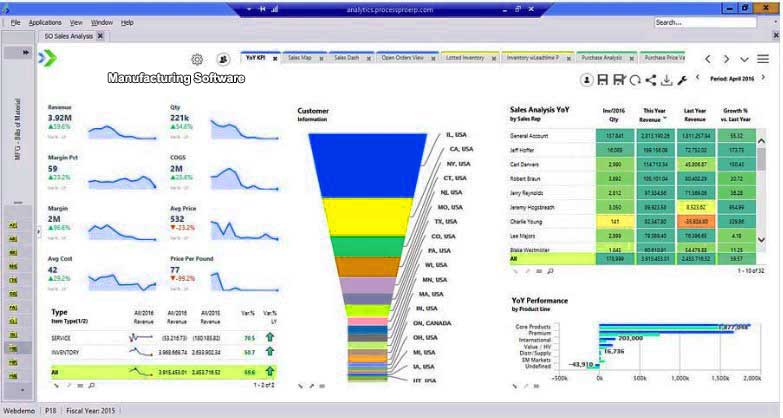
Manufacturing software refers to digital applications designed specifically to support manufacturing operations. These systems automate processes, track production activities, monitor equipment performance, manage inventory, and improve decision-making across the organization.
Unlike general business software, manufacturing software focuses on factory workflows, supply chain coordination, production planning, and industrial analytics.
The primary goal is simple: increase efficiency while reducing operational costs.
Manufacturing software can be cloud-based, on-premise, or hybrid, depending on the needs of the company.
Why Manufacturing Software Matters
Manufacturers face constant challenges, including rising raw material costs, labor shortages, strict regulations, and increasing customer expectations. Manual systems and outdated processes often lead to errors, delays, and unnecessary expenses.
The right software solutions provide several critical advantages:
- Faster production cycles
- Improved inventory control
- Reduced machine downtime
- Better quality management
- Accurate forecasting
- Enhanced workforce productivity
- Real-time operational visibility
- Improved customer satisfaction
As competition intensifies globally, manufacturers that fail to modernize risk falling behind more agile competitors.
Types of Essential Manufacturing Software
1. Enterprise Resource Planning (ERP) Software
ERP software integrates core business functions into one centralized system. It connects departments such as accounting, procurement, human resources, sales, and production.
For manufacturers, ERP systems are crucial because they provide real-time visibility into operations and financial performance.
Key Features:
- Production planning
- Supply chain management
- Financial tracking
- Procurement automation
- Inventory management
- Reporting and analytics
Benefits:
ERP software eliminates data silos and improves coordination between departments. Managers can make faster decisions using accurate, real-time information.
Popular manufacturing ERP solutions include SAP, Oracle NetSuite, Microsoft Dynamics 365, and Infor CloudSuite.
2. Manufacturing Execution Systems (MES)
MES software monitors and controls production processes directly on the factory floor. It acts as the bridge between enterprise systems and physical manufacturing equipment.
MES systems collect real-time production data, helping manufacturers improve efficiency and reduce waste.
Key Features:
- Production tracking
- Quality control
- Machine monitoring
- Performance analysis
- Downtime tracking
- Workflow automation
Benefits:
Manufacturers gain full visibility into production operations. MES software helps reduce bottlenecks, improve scheduling accuracy, and ensure consistent product quality.
Industries such as automotive, electronics, pharmaceuticals, and food processing rely heavily on MES systems.
3. Inventory Management Software
Inventory management is critical in manufacturing because excess inventory increases storage costs while shortages disrupt production.
Inventory software tracks raw materials, finished goods, and warehouse stock levels in real time.
Key Features:
- Barcode scanning
- Inventory forecasting
- Warehouse management
- Automated stock alerts
- Purchase order tracking
- Multi-location inventory control
Benefits:
Manufacturers can reduce waste, prevent overstocking, and ensure materials are available when needed.
Modern inventory systems also support just-in-time (JIT) manufacturing strategies that minimize storage costs.
4. Computerized Maintenance Management Systems (CMMS)
Equipment downtime can be extremely expensive for manufacturers. CMMS software helps organizations maintain machinery efficiently through preventive maintenance scheduling and asset tracking.
Key Features:
- Maintenance scheduling
- Asset lifecycle tracking
- Work order management
- Spare parts inventory
- Predictive maintenance
- Technician management
Benefits:
CMMS software reduces unexpected breakdowns and extends equipment lifespan. It also improves workplace safety and maintenance team productivity.
Predictive maintenance capabilities powered by artificial intelligence are becoming increasingly popular in modern CMMS platforms.
5. Product Lifecycle Management (PLM) Software
PLM software manages every stage of a product’s lifecycle, from concept and design to manufacturing and disposal.
Manufacturers use PLM systems to improve collaboration between engineering, design, and production teams.
Key Features:
- CAD integration
- Version control
- Product data management
- Engineering collaboration
- Compliance documentation
- Change management
Benefits:
PLM software accelerates product development while reducing design errors and compliance risks.
Industries with complex product designs, such as aerospace and electronics, particularly benefit from PLM systems.
6. Supply Chain Management (SCM) Software
Manufacturers depend on reliable suppliers and efficient logistics networks. SCM software improves supply chain visibility and coordination.
Key Features:
- Supplier management
- Demand forecasting
- Logistics tracking
- Procurement automation
- Shipment monitoring
- Risk analysis
Benefits:
SCM software helps manufacturers avoid supply disruptions, reduce transportation costs, and improve delivery performance.
With global supply chains becoming increasingly complex, SCM solutions are more important than ever.
Cloud-Based vs On-Premise Manufacturing Software
One major decision manufacturers face is whether to choose cloud-based or on-premise software.
Cloud-Based Solutions
Cloud manufacturing software is hosted online and accessed through the internet.
Advantages:
- Lower upfront costs
- Remote accessibility
- Automatic updates
- Faster implementation
- Scalable infrastructure
Disadvantages:
- Internet dependency
- Ongoing subscription fees
- Data security concerns
Cloud solutions are ideal for manufacturers seeking flexibility and rapid deployment.
On-Premise Solutions
On-premise software is installed locally on company servers.
Advantages:
- Greater control over data
- Customization flexibility
- Reduced internet dependency
Disadvantages:
- Higher installation costs
- Maintenance responsibility
- Slower upgrades
Large enterprises with strict security requirements often prefer on-premise systems.
Emerging Technologies in Manufacturing Software
The manufacturing industry is rapidly evolving due to new technologies that enhance automation and intelligence.
Artificial Intelligence (AI)
AI-powered software analyzes production data to identify patterns, optimize scheduling, and predict maintenance needs.
AI can significantly reduce downtime and improve operational efficiency.
Internet of Things (IoT)
IoT devices connect machines and sensors to software platforms in real time.
Manufacturers can monitor equipment performance, energy usage, and production output instantly.
Smart factories heavily rely on IoT integration.
Digital Twins
Digital twins are virtual replicas of physical manufacturing systems.
Manufacturers use them to simulate processes, test improvements, and identify potential issues before implementation.
This technology reduces risks and accelerates innovation.
Robotics Integration
Advanced manufacturing software increasingly integrates with robotics systems.
Automated robots can perform repetitive tasks with greater speed and accuracy than human workers.
Software platforms coordinate robotic operations, monitor performance, and optimize workflows.
How to Choose the Right Manufacturing Software
Selecting the right manufacturing software requires careful evaluation.
Here are several important factors manufacturers should consider:
Business Size
Small manufacturers may only need basic inventory and accounting tools, while large enterprises require fully integrated ERP and MES systems.
Industry Requirements
Different industries have unique compliance and operational needs.
For example:
- Food manufacturing requires traceability features
- Pharmaceutical companies need regulatory compliance tools
- Automotive manufacturers require advanced quality control systems
Scalability
The software should support future growth without requiring complete replacement.
Scalable systems help businesses adapt as operations expand.
Integration Capabilities
Manufacturing software should integrate smoothly with existing systems, machines, and third-party applications.
Poor integration can create inefficiencies and data inconsistencies.
User Experience
Complicated software can reduce employee adoption rates.
User-friendly interfaces improve productivity and reduce training costs.
Challenges of Manufacturing Software Implementation
Despite the benefits, implementing manufacturing software can be challenging.
Common obstacles include:
- High initial investment
- Employee resistance
- Data migration difficulties
- Integration complexity
- Training requirements
Successful implementation requires strong leadership, clear planning, and proper employee training.
Manufacturers should also work closely with experienced software vendors and consultants.
The Future of Manufacturing Software
The future of manufacturing software is centered around automation, connectivity, and real-time intelligence.
Several major trends are shaping the next generation of manufacturing systems:
- AI-driven decision-making
- Fully connected smart factories
- Real-time predictive analytics
- Autonomous production systems
- Sustainable manufacturing optimization
- Advanced cybersecurity protection
As digital transformation accelerates, manufacturing software will become even more critical to operational success.
Companies that embrace advanced software technologies will gain a significant competitive advantage in efficiency, agility, and innovation.
Final Thoughts
Manufacturing software is no longer optional in today’s industrial landscape. It has become an essential tool for improving productivity, reducing costs, and maintaining competitiveness.
From ERP and MES systems to AI-powered predictive maintenance platforms, manufacturers now have access to technologies that can transform every aspect of production.
Choosing the right software depends on business goals, industry requirements, operational complexity, and future growth plans.
As smart factories and Industry 4.0 continue to evolve, manufacturers that invest in modern software solutions will be better positioned to adapt, innovate, and thrive in the future global economy.